
Skilled Nursing experts serving Omaha and Lincoln.
CareMATRIX advisors guide seniors to skilled nursing communities where expert teams deliver care and therapy in safe settings supporting independence and recovery, reassuring families.
Find Skilled Nursing

Skilled Nursing experts serving Omaha and Lincoln.
CareMATRIX advisors guide seniors to skilled nursing communities where expert teams deliver care and therapy in safe settings supporting independence and recovery, reassuring families.
Find Skilled Nursing
Quick Links:
What is Skilled Nursing
Skilled nursing provides round‑the‑clock medical care and therapy in certified facilities.
Skilled nursing facilities provide 24/7 care and rehabilitation. Residents get help with meals and medications while recovering from illness, surgery or chronic conditions in secure settings. Families benefit from coordinated support and regular updates.
Get Free Expert Guidance

What is Skilled Nursing
Skilled nursing provides round‑the‑clock medical care and therapy in certified facilities.
Skilled nursing facilities provide 24/7 care and rehabilitation. Residents get help with meals and medications while recovering from illness, surgery or chronic conditions in secure settings. Families benefit from coordinated support and regular updates.
Get Free Expert Guidance
How Skilled Nursing Supports
Skilled nursing offers 24/7 medical care & rehabilitation by nurses and therapists.
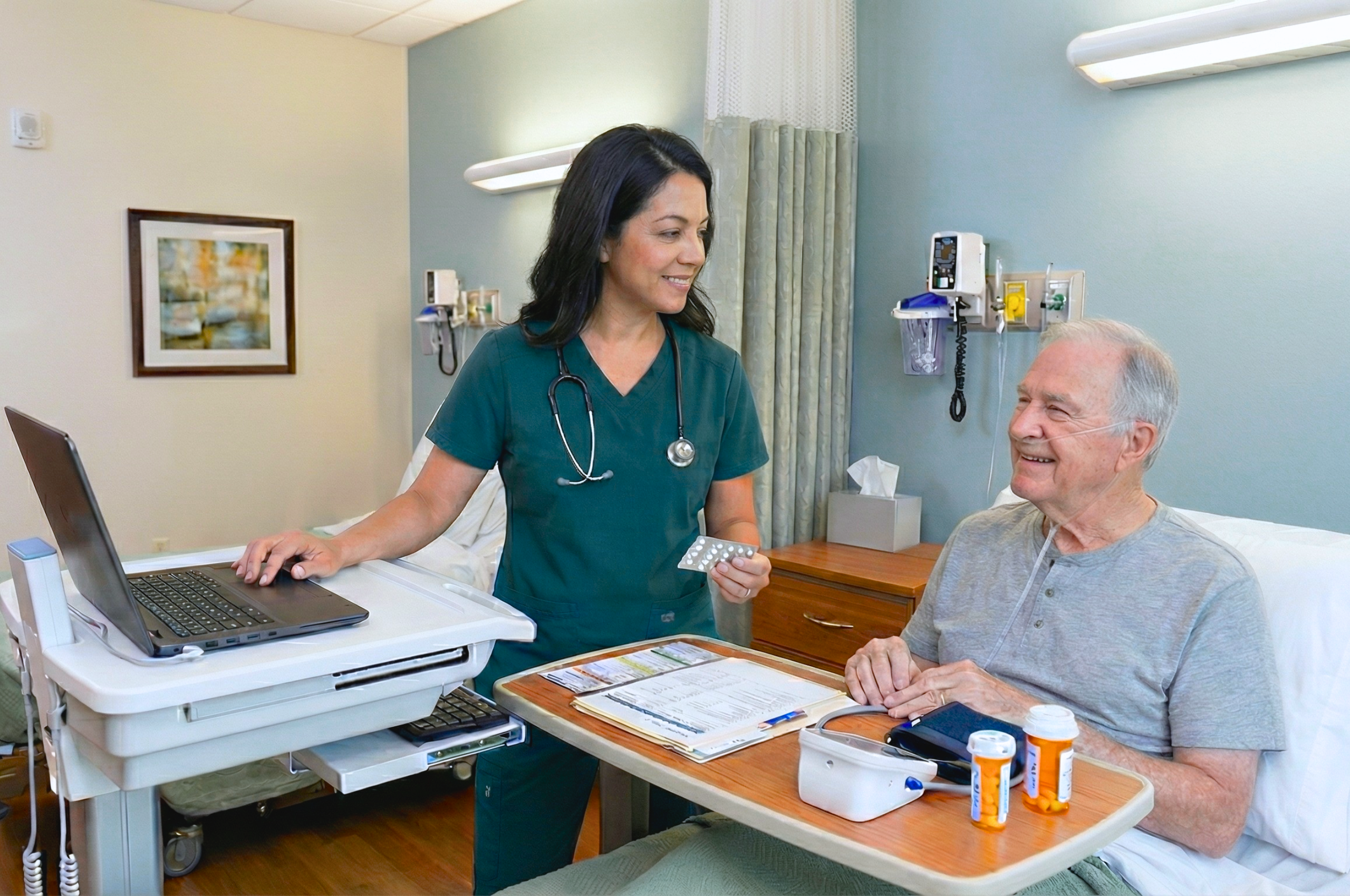
Clinical Care
Skilled nurses coordinate medications and therapy and monitor health daily. Their care helps residents recover from illness manage chronic conditions and maintain well‑being.
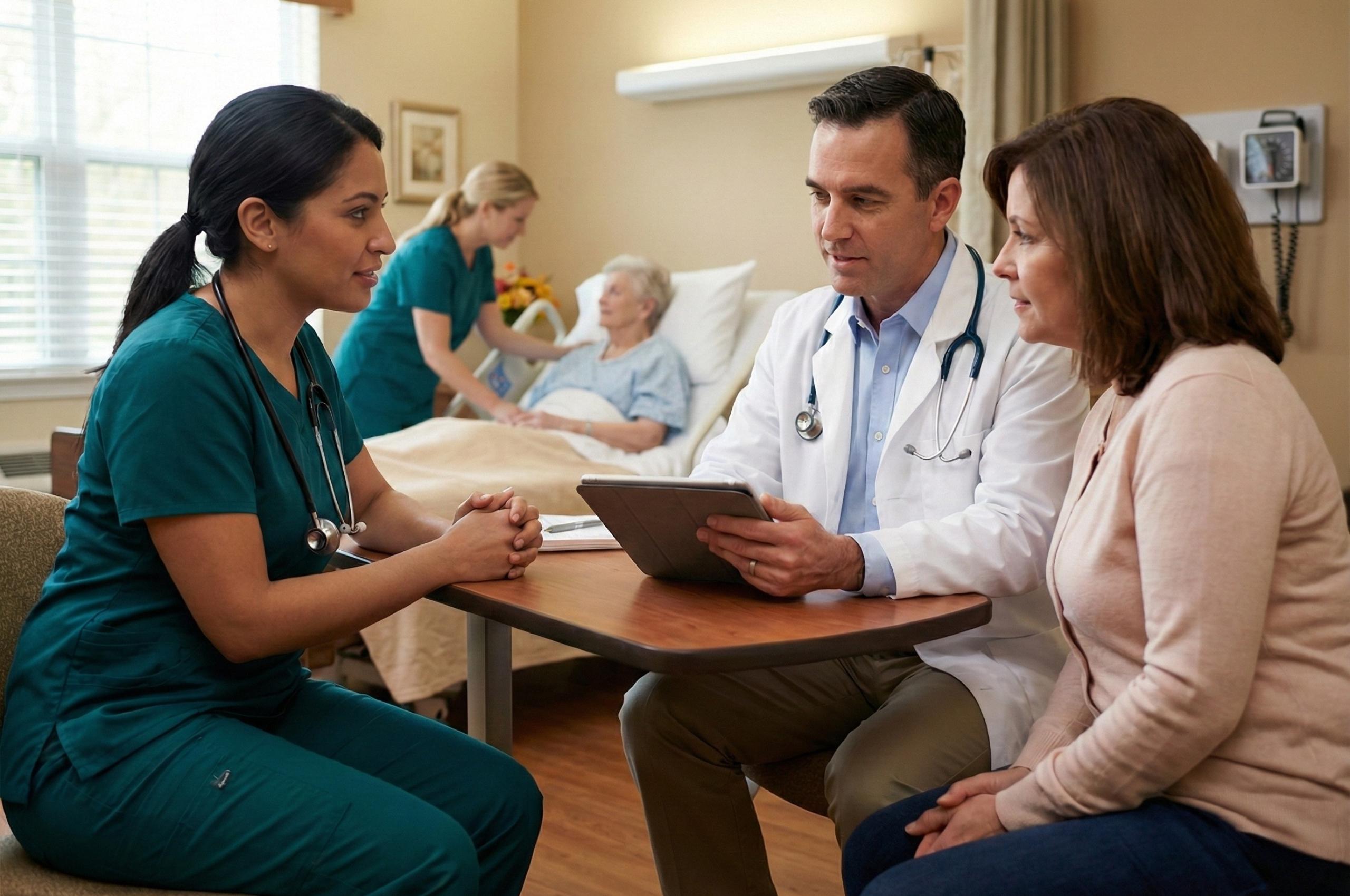
Health Oversight
Care teams manage care plans, track health progress, handle medications and adjust care as needs change, keeping residents fully supported and families informed.
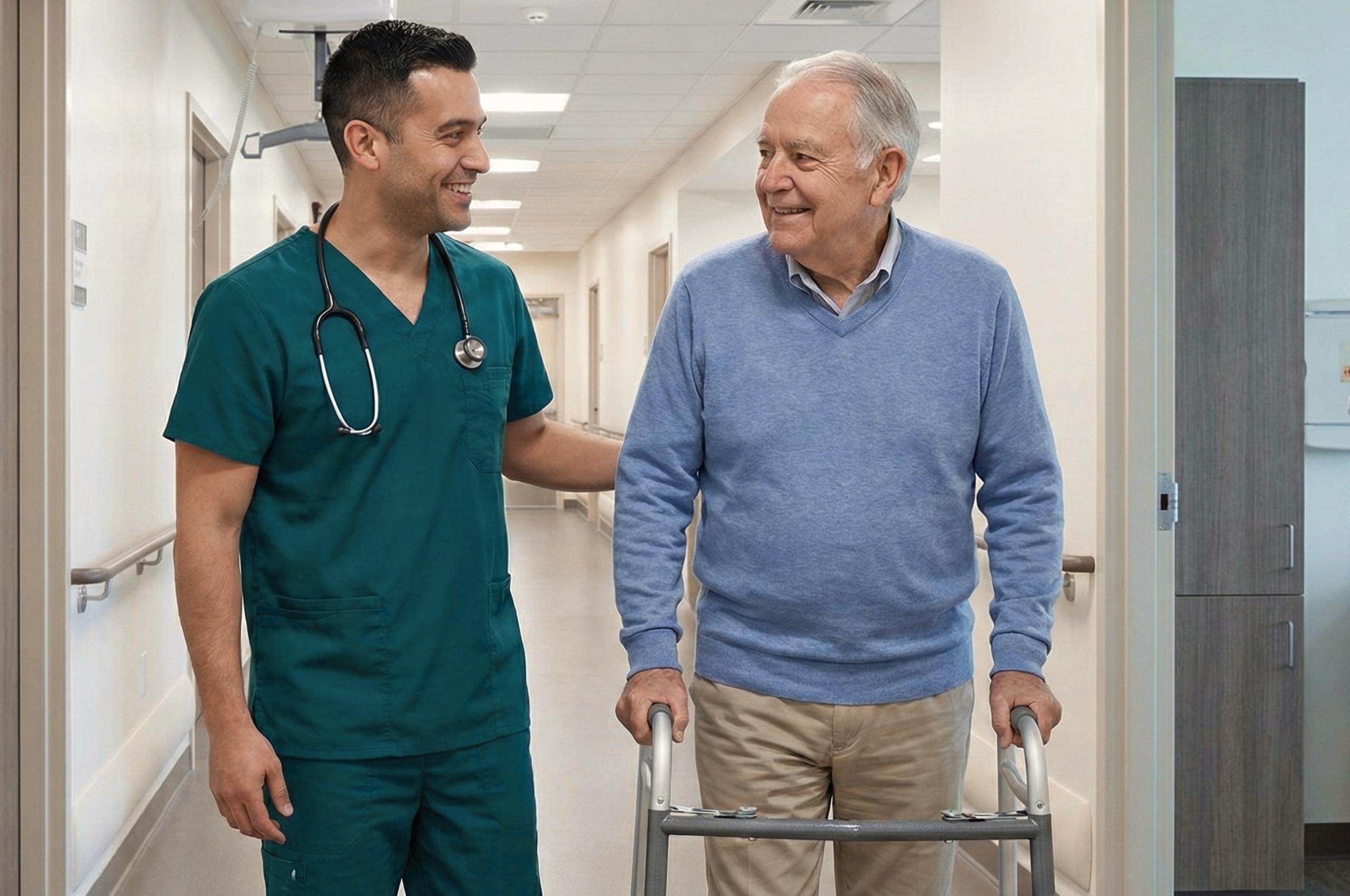
Safe Environment
Purpose built environments with safety features and attentive supervision protect residents, reduce risks and keep days calm and steady with timely response and reassurance.

Active Recovery
Engaging therapy sessions social activities, exercises and dining experiences foster connection, improve mobility and lift quality of life for residents and families.
Skilled Nursing Readiness Signs
These signs indicate skilled nursing may be the appropriate next step to maintain health and recovery with round‑the‑clock care and therapy.
Ongoing Needs
Common signs include: 24/7 nursing needs, repeat hospital stays, conditions and reliance on medical devices.
Skilled nursing can help by providing: 24/7 care medical monitoring, rehab therapy and support for ongoing needs.
Falls and Transfers
Common signs include: frequent falls, difficulty with transfers daily, poor balance unsafe movement or injuries.
Skilled nursing can help by providing: fall prevention, transfer help, mobility and 24/7 supervision.
Med & Wound Care
Common signs include: need for wound care, daily injections, catheters, IV therapies or medication administration.
Skilled nursing can help by providing: wound care, IV therapy, catheter support and medication management.
Complex Chronic Illness
Common signs include: worsening disease, many medications, pain or symptoms requiring complex care.
Skilled nursing can help by providing: disease and medication management, pain control and complex care.
Eating and Treatments
Common signs include: skipped meals, poor appetite, missed medications, weight loss, need for daily treatments.
Skilled nursing can help by providing: meal supervision, meds management and hydration support.
Chronic Care Needs
Common signs include: needs help with bathing, dressing, toileting, transfers and mobility and managing daily tasks.
Skilled nursing can help by providing: daily care with bathing and dressing toileting and mobility help.
Your Questions Answered
Most Frequently asked Questions.
How does skilled nursing differ from assisted living and memory care?
Skilled nursing care is a clinical, licensed level of residential care designed for people who need constant medical supervision, rehabilitation and skilled treatments. Skilled nursing facilities provide 24‑hour nursing support from licensed nurses and therapists, along with physician oversight, rehabilitation therapies and assistance with medications, wound care and other clinical needs.
Assisted living provides long‑term housing and help with daily activities, where as skilled nursing is typically short‑term and focuses on recovery or managing complex medical conditions.
Memory care is tailored for dementia and Alzheimer’s residents; skilled nursing is for rehabilitation or chronic physical illnesses.
When should someone consider skilled nursing for their loved one?
Skilled nursing becomes appropriate when a senior needs 24 hour medical supervision or complex treatments that family or assisted living cannot provide. Examples include requiring assistance all day, help transferring, difficulty eating, complicated wound dressings, catheters or daily injections. Doctors often prescribe skilled nursing after surgery, stroke or when chronic conditions worsen.
What services are provided in a skilled nursing community?
killed nursing facilities provide nursing care, 24 hour supervision, three meals a day and help with everyday activities. Licensed nurses coordinate medications, IV therapy, wound treatments and vital sign monitoring; physicians oversee individualized care plans. Residents also receive rehabilitation services such as physical, occupational and speech therapy.
How do CareMATRIX advisors guide seniors to right skilled nursing?
CareMATRIX advisors start by learning about your loved one’s care needs and goals. They explain when skilled nursing is appropriate and curate a short list of licensed communities that match those needs. Advisors arrange and attend each tour, share insights on staffing, therapy programs and coverage, answer questions about costs, and remain advocates throughout the transition, all at no cost to your family.

Your Questions Answered
Most Frequently asked Questions.
How does skilled nursing differ from assisted living and memory care?
Assisted Living supports seniors who are mostly independent and do not need continuous medical supervision, but who benefit from help with activities of daily living (ADLs) such as bathing, dressing, meals, and medication reminders in a social, maintenance free setting. Memory Care builds on Assisted Living with specialized dementia support, structured routines, secure environments, and programming that prioritizes safety and engagement. Skilled Nursing provides licensed nursing available around the clock and physician oversight for complex medical needs, plus physical, occupational, and speech therapy for ongoing care or after a hospital stay.
Not sure which level of care fits your needs? Begin by contacting CareMATRIX for a FREE assessment. We will present a curated list of vetted communities near you, schedule tours, and guide each step so you can decide with confidence.
When should someone consider skilled nursing for their loved one?
Skilled nursing becomes appropriate when a senior needs 24 hour medical supervision or complex treatments that family or assisted living cannot provide. Examples include requiring assistance all day, help transferring, difficulty eating, complicated wound dressings, catheters or daily injections. Doctors often prescribe skilled nursing after surgery, stroke or when chronic conditions worsen.
What services are provided in a skilled nursing community?
Skilled nursing facilities provide nursing care, 24 hour supervision, three meals a day and help with everyday activities. Licensed nurses coordinate medications, IV therapy, wound treatments and vital sign monitoring; physicians oversee individualized care plans. Residents also receive rehabilitation services such as physical, occupational and speech therapy.
How do CareMATRIX advisors guide seniors to right skilled nursing?
CareMATRIX advisors start by learning about your loved one’s care needs and goals. They explain when skilled nursing is appropriate and curate a short list of licensed communities that match those needs. Advisors arrange and attend each tour, share insights on staffing, therapy programs and coverage, answer questions about costs, and remain advocates throughout the transition, all at no cost to your family.

Tour Memory Care Near You
Find the right memory care community in three simple steps with tailored matches and guided tours at no cost.

Speak with a CareMATRIX Advisor about your loved ones care needs.

Review tailored matches and tour with your trusted advisor.

Choose the right community, reassured your loved one is supported.
Talk to an Advisor for Free
Get Free Expert Guidance
Need Urgent Assistance?
Call us at: 402-677-5186
Our Free Placement Process
Our Free Placement Process
Find the right memory care community in three simple steps with tailored matches and guided tours at no cost.
Speak with a CareMATRIX Advisor about your loved ones care needs.
Review tailored matches and tour with your trusted advisor.

Choose the right community, reassured your loved one is supported.
Choose the right community, reassured your loved one is supported.
Talk to an Advisor for Free
Get Free Expert Guidance
Need Urgent Assistance?
Call us at: 402-677-5186
How Can We Help You?
Whether you are in crisis mode or just planning for the future, our local experts are here to guide you through every step.

Speak with an Advisor
Discuss needs, budget, and location preferences.

Review Matches
Tour the best communities selected for you.

Choose with Confidence
Select the right home for your family.
Need Urgent Assistance?

402-677-5186
Available for immediate consultation